Cold And Hot Aisle Configurations

-
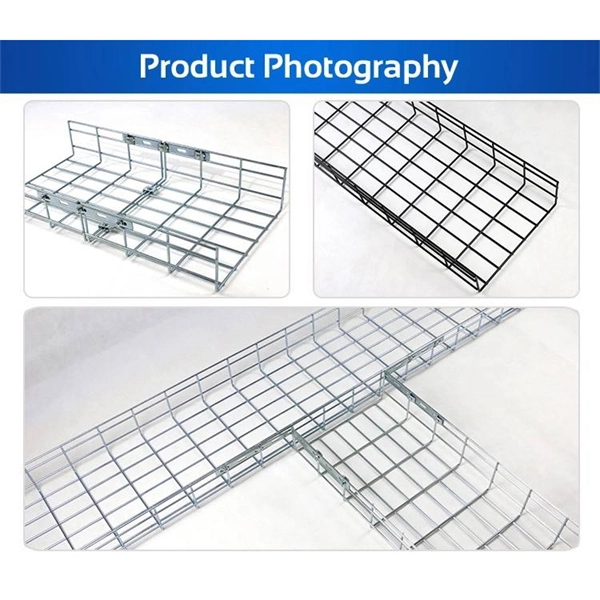
Cold aisle sealed door of server rack
Cold aisle containment systems use doors at aisle ends, ceiling panels or lids above racks, and structural frames to create enclosed zones where cold supply air flows directly to IT equipment intakes. Without containment, cold supply and hot exhaust air mix throughout the data. Hot and cold aisle containment is a proven strategy to optimize airflow, reduce energy costs, and improve cooling efficiency. Essentially creating a room within the aisle, the system helps keep hot and cold air separated to make existing air conditioning systems in data center and edge-of-network. Choose from a variety of customizable solutions, including containment doors, panels, and ceiling systems, tailored to fit your server rack setup. for switches with lateral air intake) should be planned in the racks. Unoccupied height units in the racks should be sealed with tight 19" blanking plates. It is also necessary to. Frame components are pre-assembled and fully floor supported with rack attachments for lateral stability. Ergonomic angled handles reduce pinch points.
[PDF Version]
-
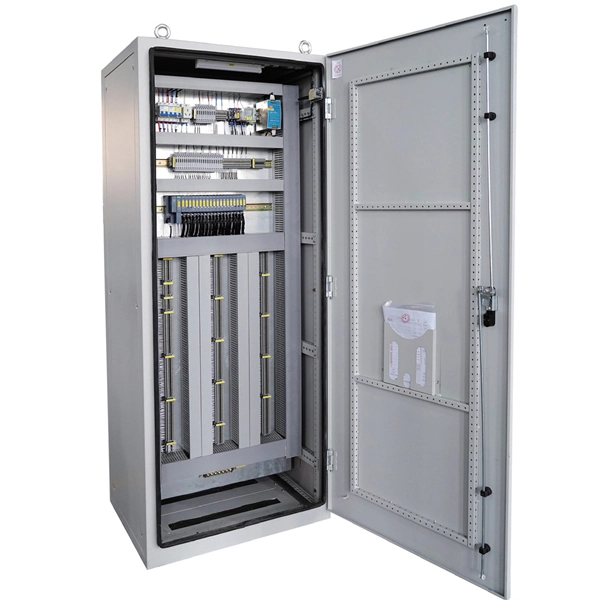
Cold Aisle Data Center Equipment Architecture
The hot aisle /cold aisle data center layout was originated by IBM in 1992 and it is one of the oldest ways to save energy in the data center. 1 Hot aisle/cold aisle layout involves lining up server racks in alternating rows with cold air intakes – the fronts of servers –. Hot aisle and cold aisle containment are foundational concepts in data center design. When implemented correctly, they improve efficiency, reduce energy consumption, extend equipment life, and enhance overall reliability. To maintain thermal performance, equipment accessibility, and safety, it's essential to follow key spatial guidelines. The design uses air conditioners, fans and raised floors as a cooling infrastructure and focuses on the separat on of the cold inlet air and the hot. Data center cooling architectures define the physical arrangement of air distribution, containment strategies, and cooling equipment placement to manage heat loads ranging from 5-30 kW/rack in modern facilities. An enormous amount of energy is used every day to maintain an acceptable intake temperature to the IT equipment.
[PDF Version]
-
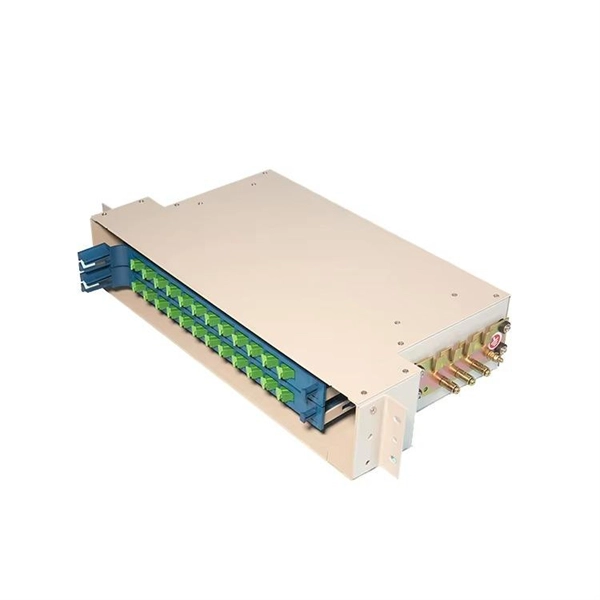
Cold Aisle Data Center Customized Solution
Design, manufacture and install of bespoke aisle containment systems for use in retrofit, new build and hyperscale projects. Aisle containment is a recognised solution to aid the cooling of high-density server installations within Data Centres and Enterprise IT rooms. Cool Shield™ containment offers state-of-the-art hot and cold aisle containment solutions designed to maximize data center efficiency while significantly reducing. Introducing the AisleFrame™ System with optional Composite Material Technology – engineered to reduce costs, speed up deployments, and shrink your carbon footprint. It prevents mixing of hot and cold air, ensuring effective data center airflow management and. Ardmac have developed a range of Ground Supported (GS) and Ceiling Supported (CS) assemblies catering to an array of different modular clean rooms and off-site construction industry requirements including data centre design and data centre construction.
[PDF Version]
-
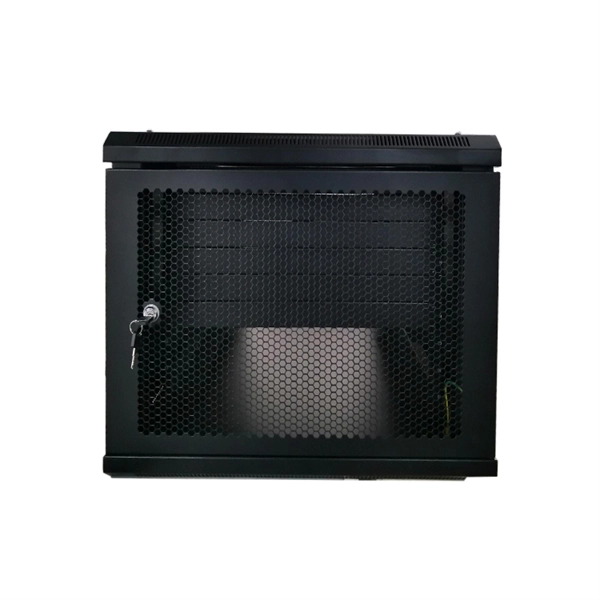
Standard Modular Cold Aisle Cabinets
A Modular Cold Aisle Cabinet is a specialized server cabinet designed for modern data centers. It is installed within the cold aisle and separated from the hot aisle, creating a highly efficient airflow system that directs cool air directly to server intakes while preventing hot air. Data centers opting for cold containment deliver cold air through a raised floor into the aisle. This air is contained in front of the cabinets, creating a homogeneous air plenum at the desired temperature. A cabinet supported cold aisle containment solution consists of aisle-end. The aisle containment system is a modular rowbased thermal containment solution, which separates cold and hot data center air streams to and from equipment. It manages airflow at the source, increases the cooling e ciency and significantly lowers down operating costs.
[PDF Version]
-
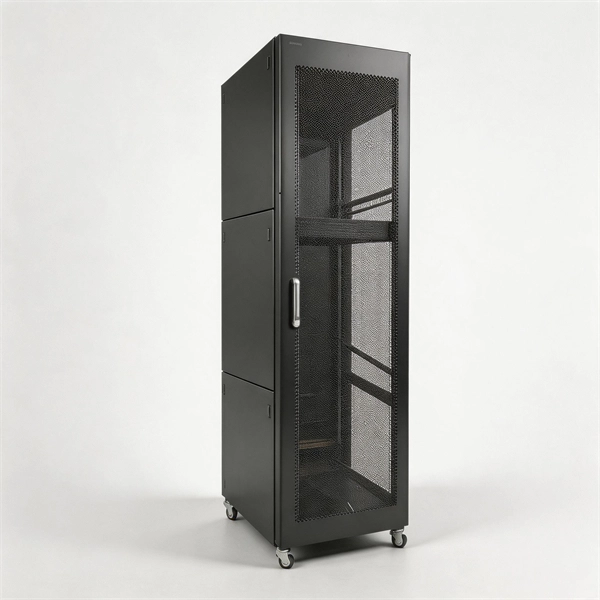
Which manufacturer makes the cold aisle server racks
In 2024, Worthington Armstrong Venture (WAVE), a joint venture between Armstrong World Industries, Inc., acquired all of the assets of Data Center Resources, LLC (DCR) related to the design and manufacture of customizable, modular aisle. Optimise your data centre, drive return on investment and contribute to a greener future with cold aisle enclosures that optimise your server rack cooling system. Cold aisle enclosures seal in cold air and prevent mixing of cold and hot server exhaust air Bespoke end of aisle containment doors. Eaton offers a wide range of partial and total containment solutions that can accommodate hot aisle containment, cold aisle containment and rack-based heat containment. Eaton aisle containment ceilings, walls, and end of row doors, create an efficient and predictable aisle containment solution. This solution ensures that data centers can provide maximum cooling effectiveness, minimize energy consumption and operational costs, and maximize. Cold aisle containment creates an enclosed corridor in front of server cabinets, ensuring that the coldest air goes directly into equipment intakes.
[PDF Version]
-
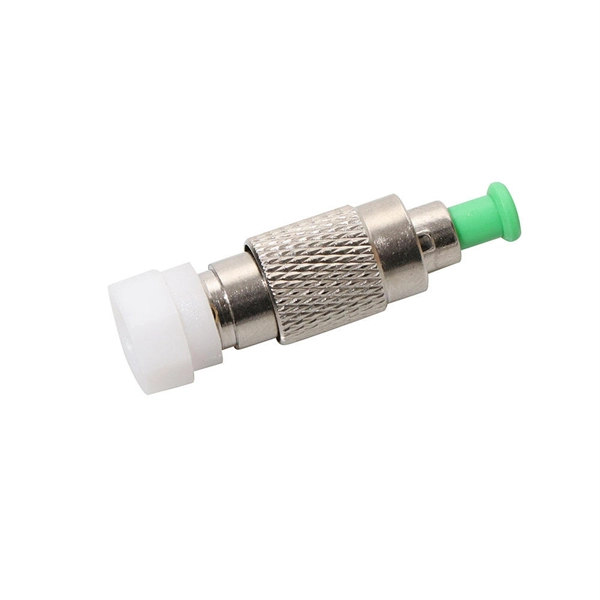
Manufacturer of AC duct cold aisle IP68
In 2024, Worthington Armstrong Venture (WAVE), a joint venture between Armstrong World Industries, Inc., acquired all of the assets of Data Center Resources, LLC (DCR) related to the design and manufacture of customizable, modular aisle. Tate's Cold Aisle Containment (CAC) system efficiently captures cold air from the CRAH or CRAC unit via an underfloor plenum, ensuring the I. T equipment is kept at an effective temperature. A CAC system surrounds the cold aisle and it keeps cold supply air separate from hot server exhaust air. This setup reduces the chance of air mixing and bypass. This Product Category has products that are hidden either due to your Product Country of Use settings or your chosen filters. Maintain optimal temperature control in your data center while ensuring easy equipment access with. NDS's ADVANCED AISLETM Containment System provides the most cost effective, easy to implement and site-friendly total approach to achieve this positive separation in existing (retrofit) or new data center builds.
[PDF Version]
-
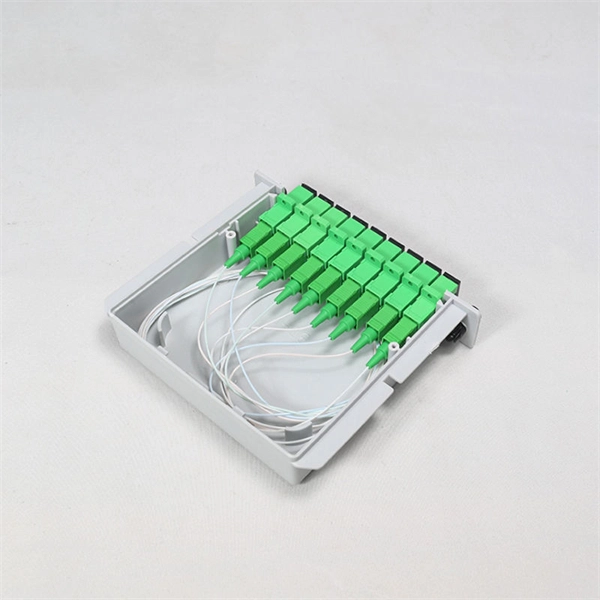
Computer Room Cold Aisle Downflow Static Pressure Box
A new observation perspective was proposed to manage the airflow distribution in data centers from the floor plenum and the cold aisle as a unified entity, which is different from the current single space only wit.
-
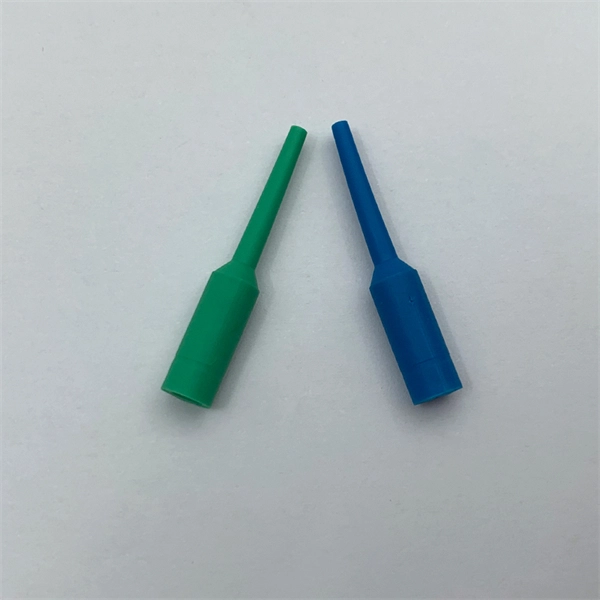
Proxy server room cold aisle outdoor type
The cold aisles are physically enclosed with doors and a roof or panels. Cool air from the raised floor (or overhead ducts) is contained in this aisle. Servers pull in air at consistent, low temperatures. The hot aisles are. Cold aisle containment (CAC) serves as a fundamental airflow management strategy in modern Data Centres, optimising cooling efficiency and enhancing overall performance. The Aisle Containment System is an intelligent thermal containment solution designed to increase cooling system efficiency while protecting critical IT equipment and. Aisle containment is a cooling system that completely separates the cold supply airflow from the hot equipment exhaust air.
-
Senegal s high-density cold aisle storage
Senegal's Minister of Industry and Commerce, Serigne Guéye Diop, has begun construction of a cold storage warehouse in Ngomène, Thiès region. The facility, designed to store onions and potatoes, will have an initial capacity of 250,000 metric tons, expandable to one million tons in the long term. New Ngomène facility aims to reduce waste, stabilize prices and support rising horticulture output. Serigne Gueye Diop, Minister of Trade and Industry, Dr. Alioune Dione, Minister. The Project is expected to have a positive development impact in Senegal by increasing the availability of temperature-controlled cold chain storage for food and pharmaceutical products.
-
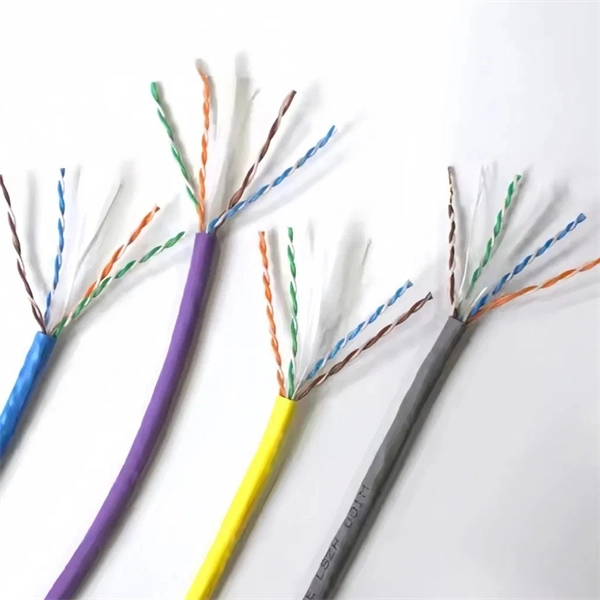
What to do if the pigtail fiber shrinks due to cold
Using antifreeze gels and proper duct sealing techniques can protect cables in cold climates. Regular maintenance and inspection are essential to ensure the longevity of fiber optic installations. In the high-stakes world of optical networking, even a minor disruption in a Pigtail Fiber connection can cascade into costly downtime, affecting data centers, telecom services, or industrial systems. SF Cable +4FiberPlus Inc+4GEARit +4 Key Points: Installing cables below the frost line can prevent. Understanding the effects of freezing temperatures on fiber optic cables is crucial for maintaining robust and reliable communication networks. Get the wrong connector type, the wrong polish, or skip proper fusion splicing technique—and you're looking at elevated signal loss, increased back reflection, and a. Without pigtails, every termination in an ODF, terminal box, or splice closure would require field-installed connectors—an approach that is both time-consuming and less reliable. For procurement managers and engineers, understanding fiber pigtails is not only about knowing another product type, but.
[PDF Version]
-
The wires in the cable tray are too hot
Electrical cables overheat most often because of overloading, loose connections, or damage to the cable or plug. When wires carry too much current, are not installed properly, or have poor contact at joints, excess heat builds up and can create real safety risks. Ignoring these warning signs can. The phenomenon of electrical wire overheating creates numerous fire and explosion risks and reflects non-compliance with technical standards in electrical systems. For electrical engineers and M&E contractors, understanding root causes helps develop effective preventive measures, ensuring project. When the power cable passes a certain load current, it will definitely heat up. If it is not processed in time, the consequences can be imagined. If your wires are transmitting electricity to powerful devices like refrigerators, the significant amounts of current they are expected to. Understanding cable overheating reasons and how to stop wires overheating is key to keeping your systems safe, avoiding fires, and preventing costly downtime.
[PDF Version]
-
The function of SC cold joint
The function of the sternoclavicular joint is to coordinate the movements of the upper limb with the core of the body. The joint possesses a joint capsule, and an articular disc, and is reinforced by multiple ligaments.
-
Fiber optic cable cold splicing attenuation
Emergency connection, also known as cold splicing, uses mechanical and chemical methods to fix and bond two fibers together. This method is quick and reliable, with typical attenuation ranging from 0., which requires the operator to observe carefully, consider carefully, and operate in a standardized way. When light is transmitted in an optical fiber, a loss will. Optical fiber cold splicing and optical fiber fusion splicing: when light is transmitted in the optical fiber, there will be loss, which is mainly composed of the transmission loss of the optical fiber itself and the splicing loss at the optical fiber joint. It also touches on emerging developments such as AI-assisted splicing tools and. Active connection utilizes various fiber optic connectors (plugs and sockets) to connect site-to-site or site-to-cable.
[PDF Version]
Related article topics
- Network cabinets can be classified according to their purpose
- Bolivia Technical Support ADSS 8-core Optical Cable
- El Salvador Data Center Rack 42U
- Wholesale of Plastic Cable Trays from American Manufacturers
- Price and nomenclature of cable tray elbows
- Delivery date in Haiti QSFP optical module LPO
- Selection Guide for PAM4 QSFP Optical Modules for Mining Use
- Communication Tower 35 Single-tube Tower
- Tunisian Outdoor Explosion-Proof Distribution Box Specifications
- IDC rack cold aisle
- Multimode fiber coupling equations
- How to connect the time relay in the wiring cabinet