Hazardous Location Fans Mcmaster Carr

-
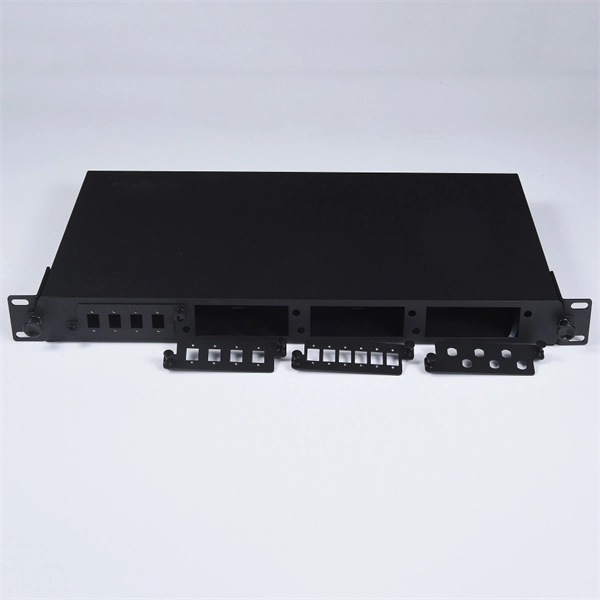
Installation location of optical cable splice box
Typically, the joint box is installed on the inner side of the iron tower, ideally at a height between 8 and 10 meters above the ground. This placement not only provides uniformity along the line but also protects the fibers from environmental exposure while ensuring easy access for. Remove the Cable Jacket: Begin by removing the outer jacket of the optical cable. If present, remove any shielding and armor, then peel back the layers to expose the loose tubes. Follow the cable manufacturer's recommended procedures for this. Drums and sections selected for each. OPGW cable joint box installation involves several key stages: selecting the appropriate location, preparing both the cable and the joint box, splicing fibers, and sealing the joint box properly. Splices are generally placed in a splice tray which is then placed inside a splice closure or integrated into a fiber pedestal for OSP installations.
[PDF Version]
-
Price of location for buried optical cable joint pit
Premium: 5,000 ft route through urban dense right-of-way, complex trenching, multiple splices, extensive testing, and certification, plus restoration and permit packages. Total: about $60,000–$110,000. This guide presents typical price ranges in USD to. 1. The methods described are intended for guideline use only, as it is impossible to cover all the various conditions that may arise during an installation. Fiber-optic cable materials typically cost $1 to $6 per linear foot, depending on fiber count and cable type. In extreme cold climates, cables may need to be buried at greater depths where there temperatures are colder and frost penetrates to. Armored fiber optic cables designed for direct burial cost $6-14 per linear foot. Conduit systems add $2-4 per foot but allow future cable additions. Handholes and. A cable pull pit (also called a cable pulling chamber or pull box) is an essential component of underground electrical and telecommunication systems.
[PDF Version]
-
Which way do the fans in the network cabinet spin
Front and bottom fans should face inward as intake, pulling cool air into the case. Correct fan placement matters for maintaining optimal temperatures and preventing component overheating through effective intake and exhaust airflow. Blades curving away indicate intake side, while blades curving toward you show exhaust side, helping configure positive or negative pressure setups. Put exhaust fans at the top or rear to push hot air out. This setup helps your system stay cool and dust-free. Tip: If you use Linkwell Computer Chassis Fans, you'll notice the arrows are clear and easy to spot. Arrow indicators found on fans point towards the direction of the airflow. Quick Answer: What Direction Should Case Fans Face? Clockwise vs.
Related article topics
- Relay protection current direction is unstable
- Somali Antioxidant Cable Tray Support
- Jamaican Export Lead-Acid Battery Cabinet Upgraded Version CIF Price
- Customization Process for New Optical Attenuators for Railway Communication
- Solution High-speed optoelectronic connection QSFP28
- Dominic Metal Large Span Cable Tray Price
- H3c243s optical module
- Qatar Data Center Rack 19-inch
- Performance Comparison of Long-Distance Optical Cable G 652D with Imported Brands
- China-Africa Control Cabinet and Distribution Box Manufacturer
- How to connect an armored fiber optic straight fusion patch cord
- 5-core optical cable power