Understanding the Core Switch: Key Differences and Uses
A core switch differs from a standard switch in the volume of data it can handle and bandwidth, as well as in its routing and QoS capabilities, which
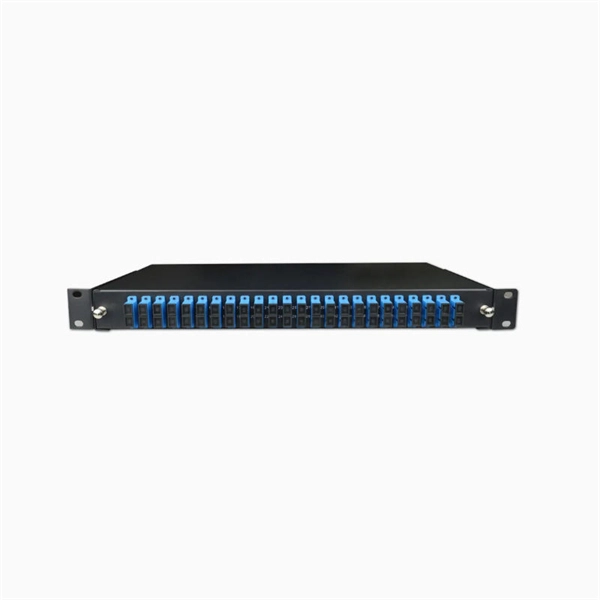
A core switch differs from a standard switch in the volume of data it can handle and bandwidth, as well as in its routing and QoS capabilities, which
Calculation of backplane bandwidth and packet forwarding rate for switches in each layer. When designing a large monitoring project, the main focus is on the selection of switches. Here we
In modern network infrastructure, switches play a pivotal role in connecting devices and facilitating data transfer. However, not all switches are
For core switches, if you want to achieve full-duplex non-blocking, you must meet the minimum standard requirements (backplane bandwidth = number of ports * port rate * 2).
Data Transmission Needs The primary factor to consider when selecting the number of cores is your data transmission requirements. The more
This article introduces the six key points for choosing a switch and the configuration commands for Huawei, H3C and Ruijie switches.
For core switches, if you want to achieve full-duplex non-blocking, you must meet the minimum standard requirements (backplane bandwidth = port
In medium to large networks, core switches are key devices to ensure efficient, stable and secure network operation. Choosing the right core switch not
Unlike access switches, which connect directly to end-user devices, the core switch focuses on aggregating and routing traffic between other switches, minimizing latency and
The six key points of switches selection are: Standard (fixed switch/modular switch) Functions (Layer 2 Switch/Layer 3 Switch) Number of
Core Switch Development Trends Higher Performance: With the continuous advancement of network technology, Core Switch performance will keep improving to meet demands
Explore the critical distinctions between switching capacity, forwarding rate, and bandwidth in network switches. Understand how they impact your network.
Core switches lie at the heart of the enterprise networks and take the duty for high-speed routing and switching. Traffic growth at the access layer and
Hello All, I am planning for a core switch requirement is it should connect 2000 access ports in the distribution / access layer and scale in future. I have the option for using 9500-48 port ( in
The core switch is mainly responsible for data forwarding and network architecture setting and has higher requirements for switching capacity, network management functions, and
Get a closer look at core switches: the nerve centers of network infrastructure that enhance performance and facilitate growth.
When you build a multi-tiered network, you need to consider the bandwidth oversubscription ratios for every layer of the switching hierarchy. The upstream bandwidth at each layer must provide enough
Find the calculations for backplane bandwidth and packet forwarding rate of switch in this article
Learn how to analyze network switch performance with 7 key metrics. Compare throughput, latency, packet loss & more to choose the right switch for your needs.
Therefore, it is better to choose a core switch with link aggregation to provide sufficient bandwidth for traffic sent from the aggregation switch to the core switch and to allow the aggregation switch to
Other Parts Discussed in Thread: TS3L501E How do I select the right analog switch and mux bandwidth based on the data rate of my protocol? Bandwidth has a
Generally speaking, core switches have a large number of ports and high bandwidth. Compared with access switches and aggregation switches, they have higher reliability, redundancy,
When selecting a core switch, it''s essential to focus on several crucial aspects that can significantly impact the performance and reliability of your network. Here are key factors to...
The question is how much bandwidth you need in the core to support all your wiring closets. Do a bandwidth analysis of how many uplinks you have from each wiring closet to the core,
1. Backplane bandwidth Also known as switching capacity, it is the maximum amount of data that can be handled between the switch interface
Our photonic engineering team can help you select the right connector or splitter for your network.